
Common tree diseases in Metuchen and how to manage them
Discover common tree diseases in Metuchen and learn how to manage them effectively to keep your trees healthy.
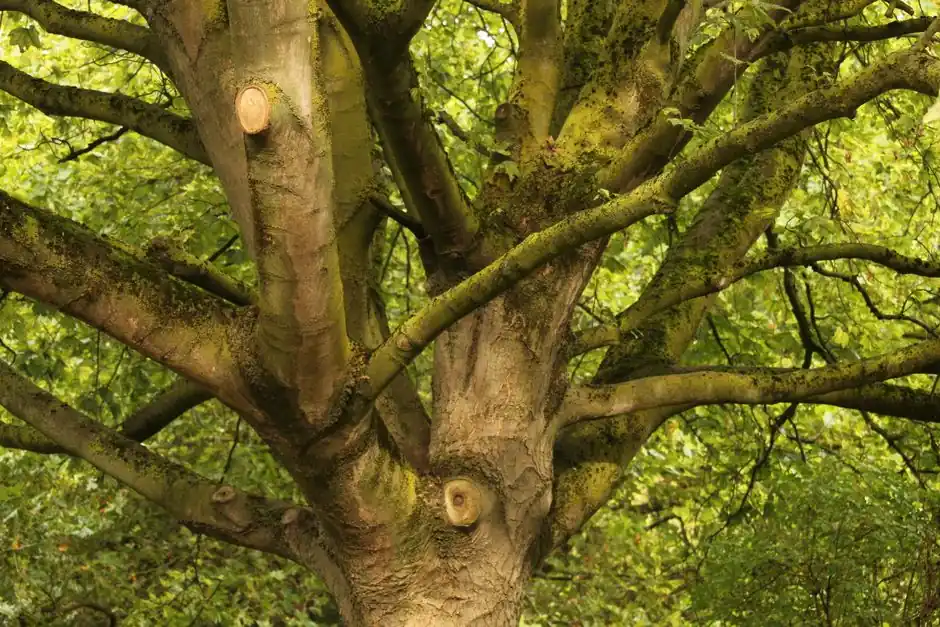
Tree diseases can significantly impact the health of your trees. In Metuchen, common tree diseases can be managed effectively with the right knowledge and care. This article explores prevalent tree diseases in the area, how to identify them, and effective management strategies.
Common tree diseases in Metuchen are often caused by fungi, bacteria, and environmental stressors. Understanding these diseases is crucial for maintaining the health of your trees throughout the seasons.
What are common tree diseases in Metuchen?
Common tree diseases in Metuchen include oak wilt, Dutch elm disease, and powdery mildew. Oak wilt is particularly dangerous, affecting red oaks and causing rapid decline. Dutch elm disease, spread by bark beetles, targets elm trees and can lead to their death within a few years. Powdery mildew affects a variety of trees, leading to white fungal growth on leaves.
How to identify tree diseases?
Identifying tree diseases involves observing symptoms such as discoloration, wilting, and unusual growth patterns. For instance, leaves turning yellow or brown may indicate a nutrient deficiency or disease. Fungal growth, such as powdery mildew, appears as white spots, while cankers and dead branches signal more severe issues. Regular inspections can help catch problems early.
What are the most prevalent tree diseases in Metuchen?
In Metuchen, the most prevalent tree diseases include:
- Oak Wilt: Causes wilting and browning of leaves, often leading to tree death.
- Dutch Elm Disease: Results in yellowing leaves and branch dieback.
- Powdery Mildew: Characterized by white, powdery spots on leaves.
- Root Rot: Affects trees with poor drainage, causing roots to decay.
- Leaf Spot: Leads to dark spots on leaves, often resulting in premature leaf drop.
Understanding these diseases helps you take preventive measures.
How to manage tree diseases?
Managing tree diseases in Metuchen involves several strategies:
- Regular Inspections: Conduct regular checks on your trees to identify early signs of disease.
- Proper Pruning: Prune dead or infected branches to prevent the spread of disease.
- Fertilization: Ensure your trees receive adequate nutrients to bolster their health.
- Pesticides and Fungicides: Use appropriate treatments for specific diseases, following local regulations.
- Water Management: Ensure proper drainage to prevent root rot.
Each of these steps plays a critical role in maintaining tree health. For instance, tree health assessments can help identify underlying issues before they escalate.
Common mistakes in tree disease management
Many homeowners make mistakes when managing tree diseases. Common errors include:
- Ignoring Symptoms: Failing to notice early signs of disease can lead to tree loss.
- Improper Use of Chemicals: Overusing pesticides can harm beneficial insects and the environment.
- Neglecting Soil Health: Poor soil conditions can weaken trees, making them more susceptible to diseases.
- Inadequate Watering: Both overwatering and underwatering can stress trees, increasing disease risk.
Avoiding these mistakes is essential for effective management.
When to call a professional?
Knowing when to call a professional is crucial for effective tree disease management. If you notice significant leaf discoloration, rapid decline in tree health, or suspect a severe disease like oak wilt, it's time to contact experts. Treeminator Tree Service offers comprehensive tree health assessments and can provide tailored solutions for your tree care needs.
Frequently Asked Questions
- What are the signs of tree disease? Signs include wilting leaves, discoloration, and unusual growth patterns.
- How can I treat tree diseases? Treatments vary by disease but often include pruning, fertilization, and chemical treatments.
- When should I prune infected trees? Prune during dry weather to minimize the spread of disease.
- Can tree diseases spread to other trees? Yes, many diseases can spread through insects, wind, or contaminated tools.
- How often should I inspect my trees? Regular inspections every few months are recommended for early disease detection.
For more detailed assistance, consult with professionals who specialize in insect and disease management.