
Why is my tree dropping branches in Metuchen
Trees in Metuchen drop branches for predictable reasons: storm damage, disease, deadwood, and root problems. Here's how to tell which one you're dealing with.
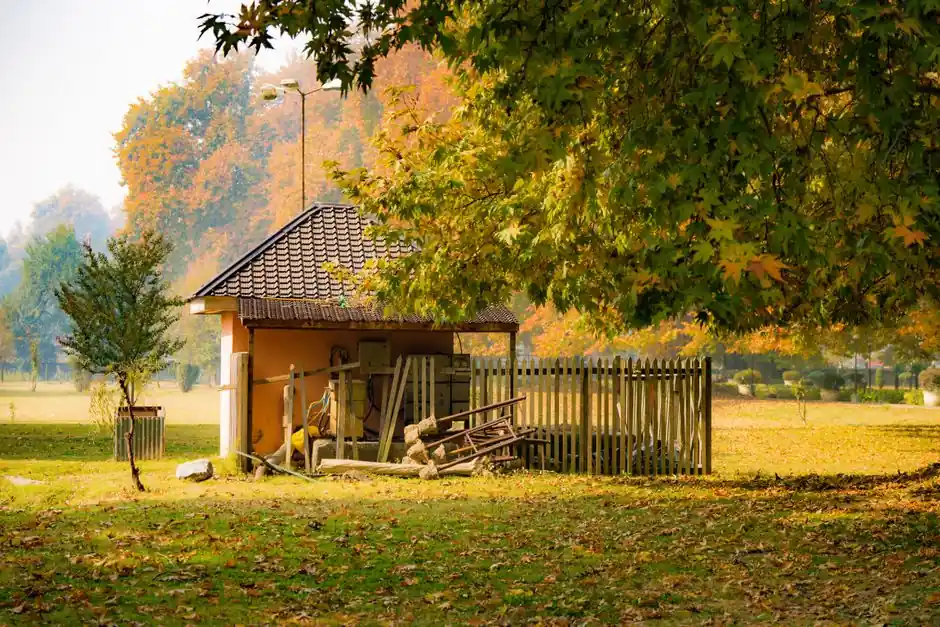
If your tree is dropping branches in Metuchen, the cause is almost always one of five things: storm damage, a structural defect like a co-dominant trunk, disease or decay, deadwood that was never pruned out, or root problems from compacted soil. Tree dropping branches Metuchen NJ is a symptom, not a diagnosis - and the fix depends entirely on which cause you're dealing with. Below, we walk through how to tell them apart, what's normal versus what needs a professional, and what to do before the next branch lands on your roof or car.
The short answer: why trees drop branches in Metuchen
Trees shed branches for two reasons: they're either programmed to (self-pruning of deadwood is normal), or something is actively breaking them down - wind, ice, fungal decay, insects, or a structural weakness in the tree itself. In Metuchen, the split is roughly 60/40. Most of what we see on call-outs is storm-related or deadwood, with disease and root issues making up the rest.
Tree dropping branches causes in Metuchen fall into three buckets: environmental (wind, ice, drought), biological (fungus, borers, verticillium wilt), and structural (poor branch attachment, included bark, codominant leaders). You can often tell which bucket you're in just by looking at where the branch broke and what the wood looks like inside.
If you're not sure, a professional Tree Service Metuchen NJ can diagnose it in a single visit. That's what we do every week across Middlesex County.
The most common causes of tree branch drop in Metuchen New Jersey
Tree branch drop Metuchen New Jersey almost always traces back to one of these six causes. Here's how to identify each one on your own property.
1. Storm damage and high winds
Metuchen sits in a pocket of Central Jersey that catches nor'easters and summer microbursts with real force. A 40 mph gust puts roughly 200 pounds of lateral load on a mature oak limb. If that limb already has included bark or a crack, it fails.
Look for: fresh breaks with splintered, light-colored wood, branches hanging at odd angles, or limbs resting in the canopy that weren't there before the storm.
2. Deadwood and self-pruning
Trees shed dead branches on purpose. It's called cladoptosis, and it's how a tree conserves resources. A healthy maple can drop 5-15 small dead twigs after a windy day and be perfectly fine.
What's not fine: branches thicker than your wrist hitting the ground. That's usually a sign the tree has been declining for a season or two.
3. Fungal disease and decay
In Metuchen's humid summers, fungi like Armillaria and Ganoderma colonize older trees. By the time you see shelf mushrooms at the base, the internal decay is often 30-50% of the trunk cross-section.
Other disease signals: black knots on branches (black knot fungus on plums and cherries), sudden wilting on one side of the canopy (verticillium wilt), or dark sunken cankers on the bark.
4. Insect damage
Emerald ash borer has wiped out most mature ash in Middlesex County. Borers like the two-lined chestnut borer and Asian longhorned beetle leave D-shaped exit holes and cause branch dieback from the top down.
5. Poor structure and included bark
Codominant leaders - two trunks growing at a narrow V - form a weak attachment point. Bark gets trapped between them, and the union never strengthens. These fail without warning, often in calm weather.
6. Root problems
Construction, driveway widening, and even years of foot traffic compact the soil and cut off oxygen to roots. A tree with compromised roots drops branches because it can't move water and nutrients to the canopy.
Is it normal for trees to drop branches in Metuchen New Jersey?
Yes - up to a point. It's normal for trees to drop small dead twigs, seed pods, and light debris, especially after wind. It's not normal for a tree to drop live, green-leafed branches, or branches thicker than 2 inches.
Here's a quick rule we use on inspections:
- Normal: Twigs under 1 inch, dead, scattered after wind. No action needed.
- Watch: Branches 1-3 inches, dead or live, dropping more than once a month. Schedule a pruning visit.
- Urgent: Branches over 3 inches, or any branch with green leaves attached, dropping at all. Call a professional the same week.
If you're seeing the urgent category, don't wait for the next storm. A tree that's already shedding large limbs is telling you something is structurally wrong.
When should I worry about tree dropping branches in Metuchen?
Worry when the branch that fell was alive, when it was thicker than your forearm, or when you can see a cavity, crack, or fungal growth on the trunk. Those three signals mean the tree is a hazard, not just a nuisance.
Other red flags:
- The tree is leaning more than it was last year.
- You can see daylight through the trunk or a major crotch.
- The soil at the base is heaved up or cracked.
- Mushrooms are growing on the trunk or root flare.
- The tree has dropped branches in calm weather - no wind, no rain.
Any one of those is enough to justify a professional inspection. Two or more, and you should treat it as a priority. We handle Emergency Tree Service Metuchen NJ calls year-round for exactly this reason - a tree that looks fine on Tuesday can drop a limb on your car by Thursday.
Tree dropping branches after storm Metuchen New Jersey: what to check first
After a storm, check three things before you touch anything: overhead hazards, the base of the tree, and the ground around it. Most post-storm injuries happen because someone walks under a hanging limb or starts cutting without looking up.
Walk your property from the street side first. Look for:
- Branches hung up in the canopy (widow-makers) that haven't fallen yet
- Split trunks or bark peeled off in strips
- Uprooted soil at the base - a sign the whole tree is unstable
- Downed limbs resting on power lines (call PSE&G, not a tree company)
If the tree is still standing but lost major limbs, don't try to trim it yourself. A damaged tree can drop a second branch while you're under it. Our team handles Tree Removal Metuchen NJ for trees that are too compromised to save, and we can usually tell within 10 minutes whether yours is a removal or a prune.
Common mistakes homeowners make after a tree drops branches
The biggest mistake is treating a structural problem as a cleanup problem. Raking up the branch doesn't fix the tree that dropped it.
Other mistakes we see constantly in Metuchen:
- Cutting the stub flush to the trunk. That removes the branch collar - the tree's natural healing zone - and opens a wound that never closes properly.
- Topping the tree. Cutting the canopy back to stubs forces weak, fast regrowth that's more likely to break than the original branches.
- Ignoring a leaning tree. A tree that shifted in the storm may still be settling. Give it a week, then have it checked.
- Piling mulch against the trunk. Mulch volcanoes trap moisture and invite the exact fungi that cause branch drop.
- Assuming the tree is fine because it still has leaves. A tree can hold a full canopy and still be 40% hollow inside.
If you've already made one of these mistakes, don't panic. Most are recoverable with proper pruning. The exception is topping - that damage is permanent.
How to stop tree from dropping branches Metuchen
You can't stop a tree from shedding deadwood - that's biology. What you can do is remove the deadwood before it falls, correct structural defects early, and keep the tree healthy enough that it doesn't produce new deadwood faster than it sheds it.
Here's the maintenance schedule we recommend for Metuchen properties:
- Annual inspection - a 15-minute walk-around, ideally in late fall after leaf drop when the structure is visible.
- Pruning every 3-5 years for mature trees - removes deadwood, thins the canopy, and corrects weak unions.
- Young tree training - the first 10 years of a tree's life determine its structure for the next 100. Correct codominant leaders while they're still small.
- Root zone protection - no parking, no heavy equipment, no soil fill within the drip line.
- Watering during drought - 1 inch per week, slow and deep, from April through October.
Proper Tree Pruning Metuchen NJ is the single most effective thing you can do to reduce branch drop. A well-pruned tree sheds less because there's less deadwood to shed, and the branches that remain are attached more securely.
We also see a lot of calls from neighboring towns with the same issues. Homeowners in Edison tree service territory deal with the same clay soils and storm patterns we do, and the maintenance schedule is identical.
When to call a professional
Call a professional when the branch that fell was alive, when the tree is within striking distance of your house or a power line, or when you can't tell whether the tree is safe from the ground. Those are the three cases where a $150 inspection saves you a $5,000 repair.
At Treeminator Tree Service, we start every job with a walk-around. We look at the branch that fell, the tree it came from, and the trees around it. Then we tell you plainly whether it's a prune, a removal, or a wait-and-watch. No pressure, no upsell - just what the tree actually needs.
If you're in one of the surrounding towns, we cover those too. Our crews run Highland Park tree service routes weekly, and the tree species and soil conditions are close enough to Metuchen that the advice carries over directly.
Frequently Asked Questions
Why is my tree dropping branches in Metuchen NJ?
The most common causes are storm damage, deadwood shedding, fungal decay, insect borers like emerald ash borer, and structural defects such as codominant leaders. If the branch was alive and thicker than 3 inches, treat it as a hazard and get an inspection within a week.
Is it normal for trees to drop branches in Metuchen New Jersey?
Small dead twigs under 1 inch after wind are normal - that's the tree self-pruning. Branches over 3 inches, live green branches, or anything dropping in calm weather is not normal and usually points to decay, disease, or a structural defect.
When should I worry about tree dropping branches in Metuchen?
Worry when the fallen branch was alive, thicker than your forearm, or when you see mushrooms, cracks, or cavities on the trunk. Those signals mean the tree is a hazard. A leaning trunk or heaving soil at the base is also a call-now situation.
How to stop tree from dropping branches Metuchen?
You can't stop deadwood shedding entirely, but you can reduce it. Prune out deadwood every 3-5 years, correct weak branch unions while the tree is young, protect the root zone from compaction, and water deeply during drought. Annual inspections catch problems before they become hazards.
What should I do immediately after a tree drops a branch?
Check for overhead hazards first - hanging limbs, split trunks, and anything near power lines. Don't stand under the tree. If the branch is on the ground and the tree looks intact, you can clean up. If the tree itself is damaged, call a professional before you touch anything.
Get help with Tree Service in Metuchen
If a tree on your Metuchen property is dropping branches and you're not sure why, we'll come out, look at it, and tell you exactly what's going on. One visit, straight answers, and a plan that fits your budget.
Call Treeminator Tree Service at +1 (732) 419-5574 to schedule an inspection or an emergency visit.