Why is my tree losing bark in Piscataway
Bark falling off your tree in Piscataway? Here's why it happens, when it's serious, and what to do next from local tree care pros.
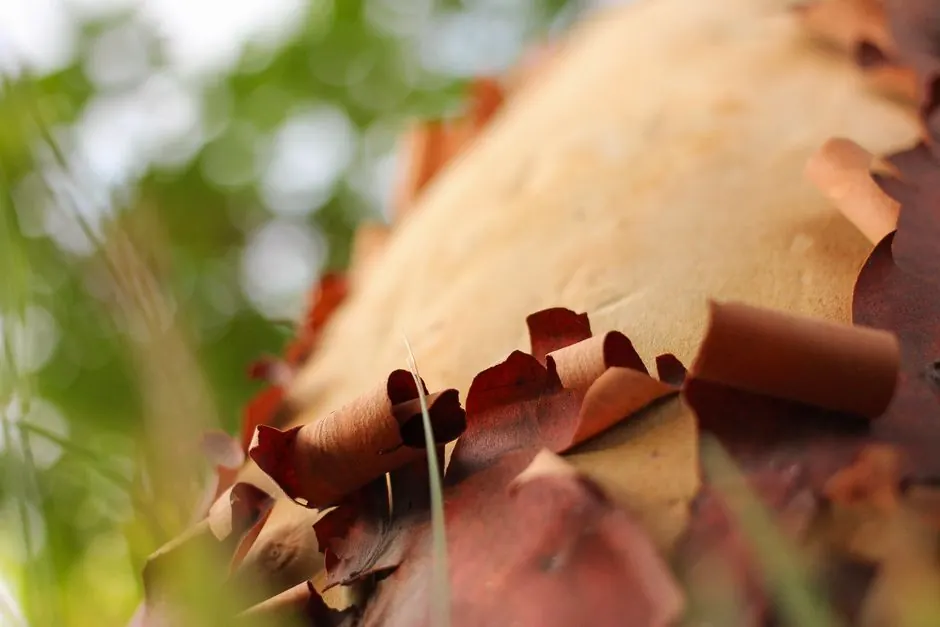
If your tree is losing bark in Piscataway NJ, the most likely causes are frost damage from a cold snap, a fungal infection like verticillium wilt or canker, insect borers, or physical injury from lawn equipment or storms. In many cases the tree can recover on its own - but if the bark is peeling in large sheets, if you see fungus at the base, or if the tree is dropping limbs, it needs a professional evaluation before it becomes a hazard.
We're Treeminator Tree Service, and we've been called out to properties all over Middlesex County to diagnose exactly this problem. Bark loss is one of those issues where the cause matters more than the symptom. A maple that shed some outer bark after a rough February is a very different situation from an oak with a fungal canker eating into its trunk. This post walks through the real causes we see in Piscataway, how to tell whether your tree is in danger, and what to do next.
Why is my tree losing bark in Piscataway NJ?
Tree losing bark Piscataway NJ is a symptom, not a diagnosis - and the underlying cause determines whether you're looking at a cosmetic issue or the beginning of a tree removal. Bark is the tree's armor. It protects the living tissue underneath from insects, disease, and temperature swings. When bark starts falling off, something has compromised that armor.
In our area, the trigger is usually one of five things: winter injury, fungal disease, insect damage, mechanical injury, or environmental stress. Each one leaves a different signature on the tree. Learning to read those signatures is the fastest way to figure out what you're dealing with.
The most common causes of bark loss in Piscataway
Piscataway sits in a sweet spot for tree stress. We get hard freezes in January and February, then rapid warm-ups in March that crack bark on the south side of trunks. We also get heavy summer storms that snap limbs and tear bark. Add in the region's clay-heavy soil and the age of many neighborhood trees, and you have a recipe for the bark problems we see every week.
1. Frost cracks and sunscald
Frost cracks happen when daytime sun warms the bark on the south or southwest side of a tree, then nighttime temperatures drop fast. The bark expands and contracts faster than the wood underneath, and it splits. You'll see a vertical crack, often with exposed wood inside. Sunscald is similar - it kills a patch of bark that later peels away in sheets.
Thin-barked species like maples, cherries, and lindens are the most vulnerable. If you had a tree losing bark after winter Piscataway NJ, frost crack is the first thing we check.
2. Fungal infections and cankers
Fungi are the second most common cause we diagnose. Cankers - dead patches of bark caused by fungal pathogens - start as small discolored areas and grow into sunken, cracked lesions. Over time the bark sloughs off, exposing dead wood underneath. Verticillium wilt, phytophthora root rot, and armillaria (honey fungus) all cause bark loss in this region.
If you see black shoestring-like structures under the bark or a fan of white fungal tissue between the bark and wood, that's armillaria. It's serious. Trees with armillaria usually can't be saved, and the fungus spreads to nearby trees through root contact.
3. Insect borers
Borers - including the emerald ash borer, two-lined chestnut borer, and bronze birch borer - tunnel just under the bark and cut off the flow of water and nutrients. The bark above their tunnels loosens and falls away. You'll often see D-shaped exit holes, sawdust-like frass, or S-shaped galleries under the bark.
Emerald ash borer has been active in Middlesex County for years. If you have an ash tree and the bark is coming off in patches near the top, that's a strong signal.
4. Mechanical and animal damage
String trimmers, lawnmowers, deer antlers, and squirrels all strip bark. So do poorly executed pruning cuts and storm-damaged limbs that tear rather than break cleanly. Fresh wounds with jagged edges and exposed light-colored wood usually point to mechanical injury.
5. Environmental stress
Drought, compacted soil, and construction damage weaken trees over time. A stressed tree can't seal off wounds the way a healthy one can, so bark loss becomes more likely and more severe. If your tree has been losing bark slowly over several seasons, stress is probably a factor.
Is tree bark loss serious in Piscataway New Jersey?
Tree bark loss in Piscataway New Jersey ranges from cosmetic to catastrophic, and the difference comes down to how much of the trunk's circumference is affected. A tree can survive losing a small patch of bark. It cannot survive losing a full ring of bark around its trunk - that's called girdling, and it cuts off the flow of nutrients between the roots and the canopy.
Here's the rough rule we use: if less than 25% of the trunk circumference is damaged, most healthy trees can seal the wound over a few growing seasons. Between 25% and 50%, the tree is at serious risk and needs monitoring. Above 50%, especially if the damage wraps around the trunk, the tree is unlikely to survive and becomes a hazard.
Other red flags that mean it's serious:
- Fungal conks (mushroom-like growths) at the base of the trunk
- Large vertical cracks with soft or crumbly wood inside
- Bark peeling in sheets more than 6 inches wide
- Dieback in the upper canopy - dead branches at the top of the tree
- A sudden lean, or soil heaving around the root flare
Any of those signs mean the tree's structural integrity is in question. That's when you stop treating it as a landscaping problem and start treating it as a safety problem.
Can a tree survive losing bark in Piscataway NJ?
Yes, many trees survive bark loss in Piscataway NJ - but survival depends on the species, the tree's overall health, and how much bark is gone. Trees don't heal wounds the way animals do. They seal them off, growing new wood around the damaged area to wall it off from decay. That process takes years.
What helps a tree recover:
- Stop the cause. If borers are the problem, treat them. If a lawn mower did the damage, keep equipment away from the trunk.
- Water during droughts. A slow soak once a week during dry spells does more for recovery than any fertilizer.
- Mulch correctly. A 2- to 3-inch layer of mulch out to the drip line, kept a few inches away from the trunk, protects roots and moderates soil temperature.
- Prune dead wood. Removing dead branches reduces the tree's workload and eliminates a hazard.
- Do not paint or seal the wound. Wound dressings trap moisture and slow the sealing process.
What doesn't help: fertilizing a stressed tree, overwatering, or cutting into the wound to "clean it up." Those make things worse.
If you're not sure whether your tree is on the recovery path or the decline path, a professional assessment is worth the cost. We do this every day for homeowners across the area, and we can usually tell within 15 minutes whether a tree is worth saving.
What to do if your tree is losing bark in Piscataway NJ
What to do if tree is losing bark Piscataway NJ comes down to three steps: identify the cause, protect the tree from further damage, and decide whether it needs to come down. Skipping step one is the most common mistake - people treat the symptom without knowing the cause.
Start by taking a close look at the damage. Is the bark peeling in sheets or flaking off in small pieces? Are there holes, sawdust, or fungal growth? Is the exposed wood light and solid, or dark and crumbly? Those details tell you a lot.
Next, remove the immediate hazards. If limbs are hanging over a driveway, a sidewalk, or your roof, keep people and cars clear until a professional can assess it. Don't try to cut large limbs yourself - storm-damaged wood is unpredictable and the most common source of chainsaw injuries we hear about.
Then decide on treatment. Small wounds on healthy trees usually just need monitoring. Fungal infections may need fungicide treatment or removal. Borer infestations in ash trees can sometimes be treated with trunk injections if caught early. Girdled trees need to come down.
If the tree does need to come down, don't wait. A dead or dying tree near a structure is a liability, and the cost of removal goes up once it's a hazard. Our Tree Removal Metuchen NJ team handles everything from small ornamental trees to 80-foot oaks, including the cleanup.
Common mistakes homeowners make with tree bark damage
The biggest mistake we see is assuming bark loss is always fatal - or always harmless. Both assumptions lead to bad decisions. A tree with a frost crack may live another 30 years. A tree with armillaria may drop a limb on your car next spring.
Other mistakes:
- Painting the wound. Tar and wound dressings were standard practice decades ago. They're not anymore - they trap moisture and decay.
- Fertilizing a stressed tree. Pushing new growth on a tree that can't support it makes the problem worse.
- Cutting into the wound. "Cleaning up" a bark wound with a knife exposes more living tissue to infection.
- Ignoring the root zone. Most bark problems start below ground - compacted soil, root damage, or poor drainage.
- Waiting too long. A tree that could have been saved with early treatment often can't be saved six months later.
If you're dealing with a tree that's already leaning or dropping limbs, that's an emergency. Our Emergency Tree Service Metuchen NJ crew responds 24/7 to storm damage and hazardous trees across Middlesex County.
When to call a professional for tree bark loss
Call a professional when the damage covers more than a quarter of the trunk, when you see fungal growth, when the tree is within striking distance of a house, driveway, or power line, or when you simply can't tell what's wrong. Those are the situations where a wrong guess is expensive.
We get a lot of calls from homeowners in Piscataway tree service territory who waited a season too long. By the time the canopy is thinning and the bark is falling off in sheets, the options are down to removal or a risky wait-and-see. Earlier is always cheaper.
Our team at Treeminator Tree Service does full tree health assessments, including root flare inspection, canopy evaluation, and species-specific disease identification. If the tree can be saved, we'll tell you how. If it can't, we'll tell you that too - and handle the removal safely. We also offer Tree Pruning Metuchen NJ to remove dead wood and reduce the risk of limb failure on trees that are worth keeping.
For homeowners who want a broader picture of what we do, our Tree Service Metuchen NJ page covers everything from routine trimming to full lot clearing.
Frequently Asked Questions
Why is my tree losing bark in Piscataway NJ?
The most common causes are frost cracks from winter temperature swings, fungal cankers, insect borers, and mechanical injury from mowers or storms. Less often, it's environmental stress like drought or compacted soil. The pattern of the damage - sheets, flakes, holes, or cracks - usually points to the cause.
Is tree bark loss serious in Piscataway New Jersey?
It's serious when more than 25% of the trunk circumference is affected, when you see fungal growth, or when the canopy is dying back. Small patches on healthy trees are usually cosmetic. Large peeling sections or girdling damage are not - those trees become hazards and often need removal.
Can a tree survive losing bark in Piscataway NJ?
Yes, if the damage is limited and the tree is otherwise healthy. Trees seal off wounds over several years rather than healing them. Keep the tree watered during droughts, mulch properly, and remove dead branches. Trees with girdling damage or fungal conks at the base rarely survive.
Should I remove a tree losing bark in Piscataway?
Remove it if more than half the trunk is girdled, if there are fungal conks at the base, if it's leaning, or if it's dropping limbs near a structure. Otherwise, get an assessment first - many trees with moderate bark loss can be saved with the right treatment.
Does bark loss always mean the tree is dying?
No. Frost cracks, sunscald, and small mechanical wounds are often survivable. The tree's overall vigor, the amount of bark lost, and whether the damage is still progressing matter more than the fact that bark is missing. A healthy tree with a 3-inch frost crack can live for decades.
Get help with Tree Service in Metuchen
If you're dealing with a tree losing bark in Piscataway or anywhere in Middlesex County, we can tell you within minutes whether it's a watch-and-wait situation or a removal. We serve Metuchen, Piscataway, Edison, Highland Park, and the surrounding towns.
Call Treeminator Tree Service at +1 (732) 419-5574 for a free assessment. We'll identify the cause, give you straight answers, and handle the work safely if it comes to that.